

How to save energy with home automation
Defined as the act of automating, home automation can be an excellent ally in saving energy.
One of its great advantages has to do with monitoring energy use and managing equipment effectively, which makes it possible to get the most out of natural resources such as sunlight. You can, for example, match the output of the lights to the natural light in the room, raise and lower the blinds according to the sun at that moment, or adjust the heating and the air conditioning to the conditions outside.
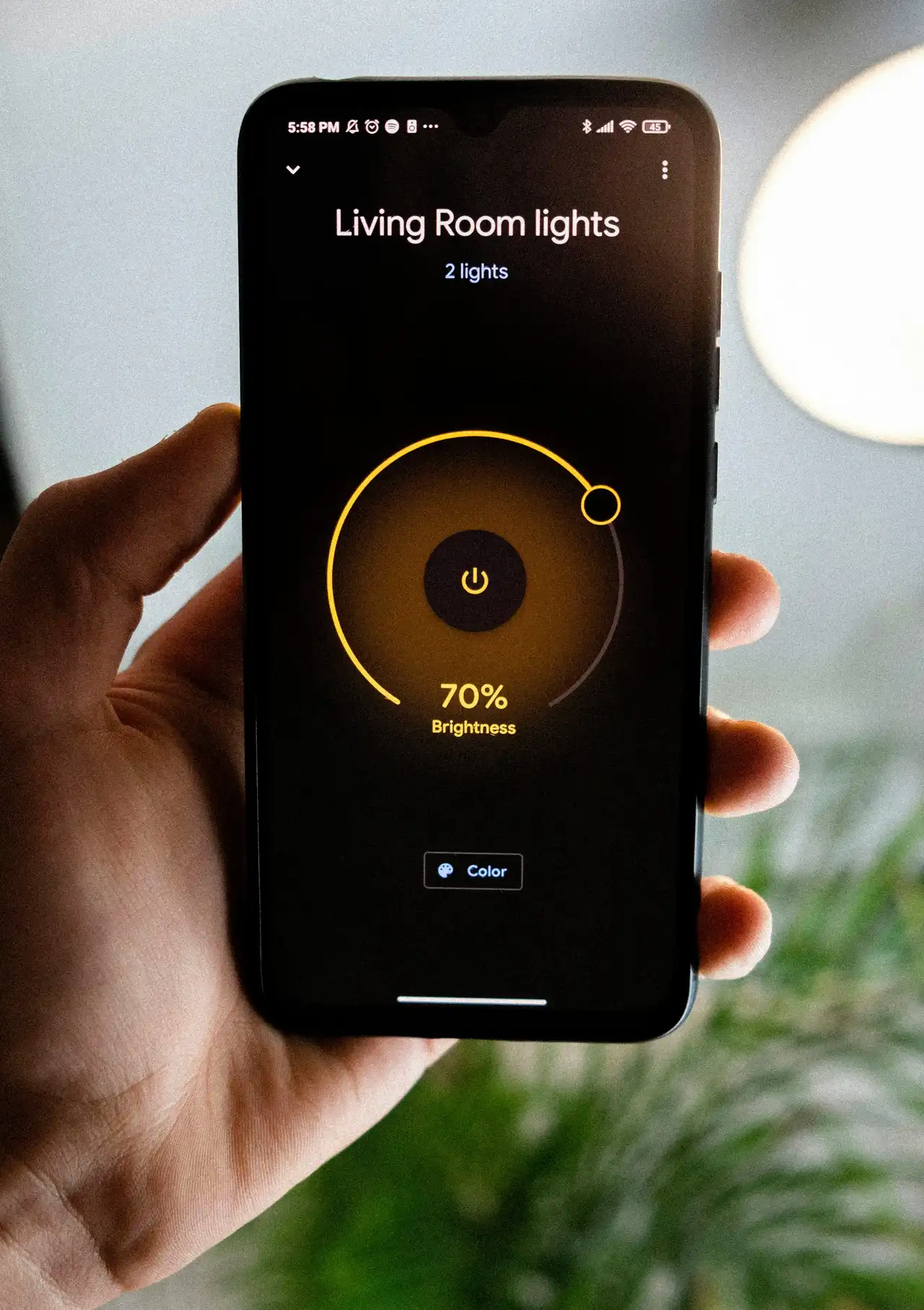
On top of that, monitoring consumption means irregular behaviour can be spotted and the problem corrected very early on, avoiding the higher cost of a repair or a replacement.
Home automation also lets you schedule when smart sockets are live, or run appliances at the cheapest hours.
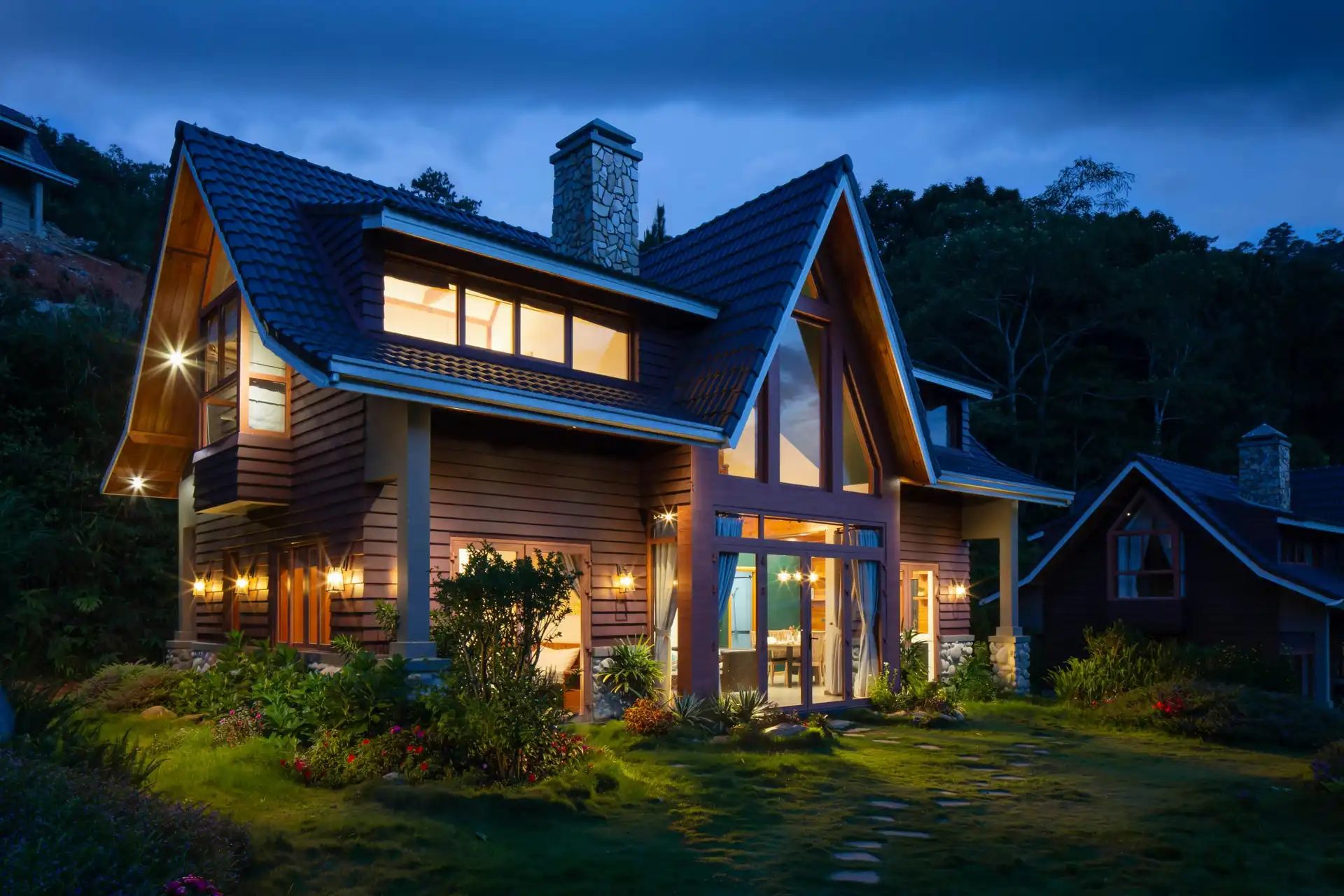
For anyone going away, it is equally possible to put the heating into economy mode or switch off everything left on standby.
If you often leave the lights on, home automation can help there too: lights can be switched on and off automatically, either according to whether anyone is present or on a preset schedule.
Alongside electricity, water is one of the main sources of cost in a building. To avoid using too much of it, or using it badly, smart taps can be installed to control flow and temperature and bring consumption down.
Home automation can also be essential in controlling irrigation — that is, knowing whether the current weather, humidity and rainfall included, justifies turning the system on at all.